Hazmat Cleanup
Hazmat cleanup of hazardous materials with the right protective equipment.
See hazmat cleanupGet tear gas and pepper spray residue removed from a home, apartment, rental, vehicle or business after the property is released. Cleanup can include surfaces, contents, filters, vents and affected porous materials.
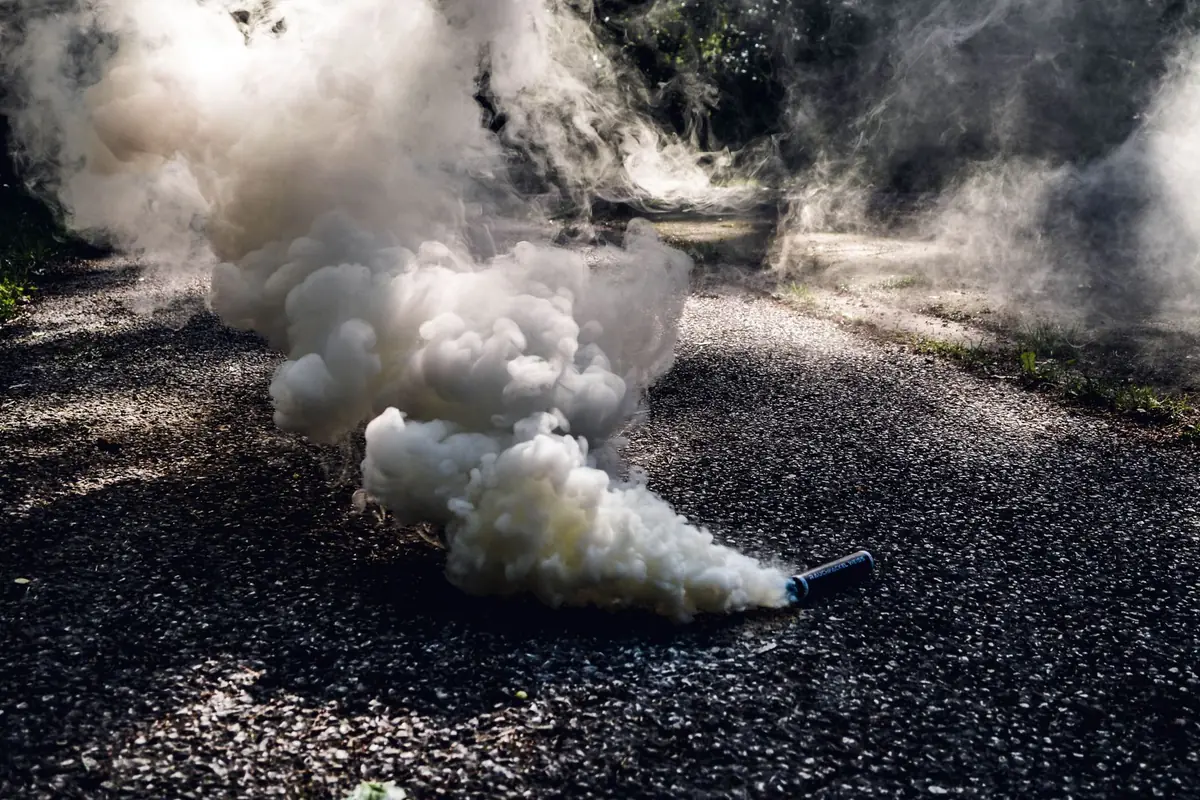
Tear gas cleanup means controlling and removing chemical irritants left inside a residence, rental property, business or vehicle by police activity, crowd control or pepper spray.
The visible smoke may clear while fine residue remains on walls, floors, counters, furniture and personal property. Pepper spray can also leave a film on nearby materials. Walking through the affected area, moving belongings or running the air system can carry residue into surrounding areas that did not receive the original release.
When details about the product are available, professional cleaners first determine what was used and which spaces were reached. Trained technicians create separate work areas, use protective gear and collect loose particles. They then clean compatible surfaces in a planned sequence, repeating the work wherever residue persists. Ventilation, ductwork, filters, soft contents and objects that cannot be washed easily also shape the process. Biohazard remediation can become part of the scope if bodily fluids or blood are present too.

Personal property is sorted by material and condition so you understand what can be cleaned, isolated or removed.
Calls receive an answer during the day or overnight, and crews use unmarked vehicles to respect your privacy following a difficult event.
The affected area stays divided from clean pathways, reducing spread into surrounding rooms as cleanup technicians relocate equipment and materials.
A scope names included air-system sections, contents, surfaces and rooms before the cleaning process, giving you details to compare the proposed work and make your decision.
An occupied property or vehicle needs tear gas removal when irritant material settles indoors. Where that material moved determines the scope for each event. You may encounter situations such as:
A bedroom, living area or hallway was exposed to self-defense spray, with residue reaching items and surfaces close by.
Irritant discharged in a car may coat trim, ventilation surfaces, seating, controls and carpet throughout the enclosed cabin.
A clear cleaning scope is needed when residue from one unit may have spread to an adjacent space, shared hallway or ventilation opening.
Law enforcement released a house or commercial space following a forced entry, standoff or other event involving an indoor chemical irritant.
Protect yourself by exiting the exposure area and avoiding actions that may spread the irritant. Ask loved ones to stay clear and give trained professionals an account of what happened. Take the following steps ahead of cleanup:
Call (888) 440-9227A tear gas cleanup cost guide from crimescenecleanup.com lists $1,500 to $4,000 for a small apartment, $3,000 to $10,000 for a single-family home and $10,000 to $50,000 for a commercial property. These are published ranges, not a quote. Property size, air-system involvement, affected materials, time since exposure and the number of cleaning rounds shape the final scope.
Published national cost guides are the source for these ranges, rather than an inspection of your property. After an on-site assessment, the price for your property is determined and shared with you before cleanup begins.
Ask about cost: (888) 440-9227Tear gas cleanup may be covered by insurance, depending on your policy terms, the incident's cause and applicable exclusions. Notify the insurance company, then request a decision about coverage for your individual claim.
The landlord or property manager typically coordinates a rental property's evaluation and cleanup. Payment responsibility varies with the situation, the policy wording and provisions in the lease.
When a qualifying crime led to the release, check if assistance with cleanup is available. Victims of violent crime can ask the Ohio Attorney General's Crime Victim Services Section about crime scene cleanup, which its victims compensation program lists among eligible expenses for safety purposes. Insurance is usually checked first.
Organize the police release, incident number, photographs, cleanup plan, materials list, receipts and disposal documentation together. Your record may support insurance assistance so you can move forward on the claim.
Ask whether the policy covers chemical residue cleanup, damaged building materials, personal property, air-system work and temporary housing while the affected area is closed.
The remediation process follows a controlled sequence from property release through final inspection. Tear gas cleanup involves decisions based on the affected rooms, materials and movement of air through the building.
Cleanup technicians identify the release point, affected area, travel paths, HVAC layout, exposed contents and any damage caused during the incident.
The planned work covers which rooms need separation, what surfaces require cleaning, which contents must move, filter work and material removal decisions.
Technicians divide work areas from unaffected spaces and wear site-appropriate respiratory protection, eye protection, gloves and protective clothing.
Loose residue is collected with controlled methods that limit airborne dust. Technicians begin on upper surfaces, move down to flooring and work from cleaner boundaries into the release zone.
Compatible ceilings, walls, floors, cabinets and fixtures receive detailed wet cleaning. Cleaning rounds continue where visible film or irritation remains.
Cleaning is matched to the finish of washable belongings and hard surfaces, limiting residue spread and preventable damage to materials.
Operation of the air system during or after release calls for checking its accessible surfaces, filters, returns and supply vents.
A final check of treated rooms, belongings and adjoining areas looks for lingering odor, overlooked residue and surfaces requiring another pass.

Phone any hour. A specialist in tear gas and pepper spray cleanup takes your call, explains each step and agrees on a start time with you.
Tear gas and pepper spray residue can irritate your eyes, skin and breathing passages again when contaminated dust or materials are disturbed. Questions about serious health risks belong with a medical professional.
Combining household cleaners is not a safe way to neutralize an irritant you cannot identify. Because chemical mixing may create another danger or damage materials, the method must be compatible with both residue and surface.
Beyond the original room, open doors, moving people and a running HVAC system can spread residue. An assessment needs to cover air returns and surrounding pathways.
Hands and faces may pick up residue from clothing, upholstery, carpet and additional soft materials. You risk another exposure by handling those materials without suitable protective gear.
Can you clean it yourself? Indoor releases are not the same as brief exposure outdoors. Never consider indoor tear gas residue ordinary dust or use fragrance to cover it. Close off the space, skip DIY tests and request a scope addressing contents, surfaces and the air system.
Cleaning can preserve durable surfaces when every deposit is accessible and the finish will not be harmed. A porous or damaged material may have to be removed if contamination remains after repeated attempts to clean it.
One or multiple visits may be needed for tear gas cleanup, and the site assessment is what supports a responsible schedule. Work limited to a hard surface is usually simpler than a property where several rooms, porous contents or the air system are affected. Removal of drywall, carpet or other building components may be followed by restoration services.
| Scene | Typical time on site |
|---|---|
| Limited release on hard surfaces | Cleaning may be completed in a focused visit if residue stayed in one area |
| Home with contents or HVAC involvement | Time is needed for containment, detailed cleaning and multiple passes |
| Large commercial or multi-room property | A phased schedule lets technicians check each room before that area returns to use |
Before addressing odor, the deposited material needs to be removed. Paint, fragrance or opening the space briefly can mask the smell without taking particles off walls, fabrics, shelves and other contaminated surfaces. A faint odor alone cannot show that the area is suitable for use again.
The path of the residue determines the air quality work. This may mean ventilating under controlled conditions, replacing filters that were affected, cleaning supply and return areas and removing dust from accessible air-system components. HEPA filtration can aid the process, although it is not a substitute for cleaning surfaces or taking out contaminated material.
The full tear gas and pepper spray cleanup guide covers what is cleaned or removed, odor and air quality work, and the rules that apply in your state.
Read the full tear gas and pepper spray cleanup guideContainment, entry and cleanup plans can be influenced by local housing, population and access details.
The relatively small 6.8% rental share does not change safety needs, but it can make property decisions more direct.
A median construction year of 2008 often means modern assemblies, yet fluids can still move beneath floating floors and baseboards.
The 16 older residents who live alone may rely on family or neighbors to notice when something is wrong at home.
Detached and single-family properties account for 92.7% locally, so exterior access and safe waste movement should be planned early.
During your call, ask whether cleanup is available in surrounding communities and ZIP codes.
Hazmat cleanup of hazardous materials with the right protective equipment.
See hazmat cleanup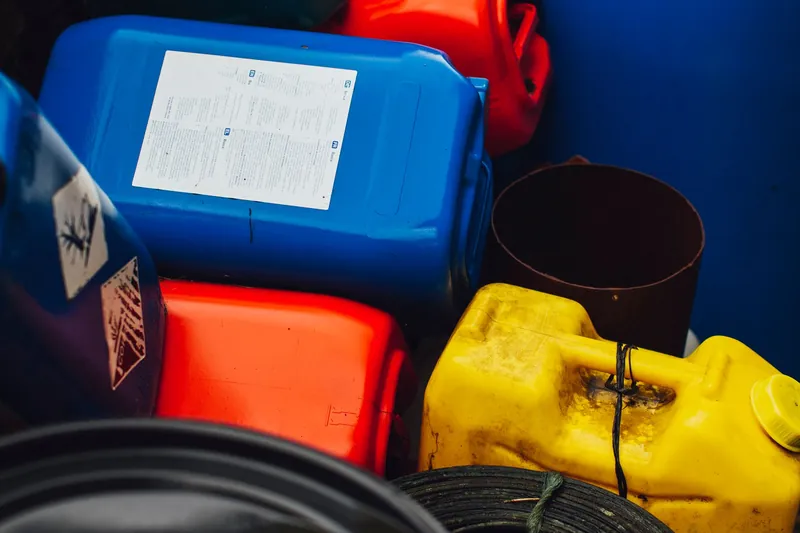
Safe disposal is included with chemical and toxic waste cleanup.
See chemical and toxic waste cleanup
Crime scene cleaning after police release the property, from blood to odor.
See crime scene cleanup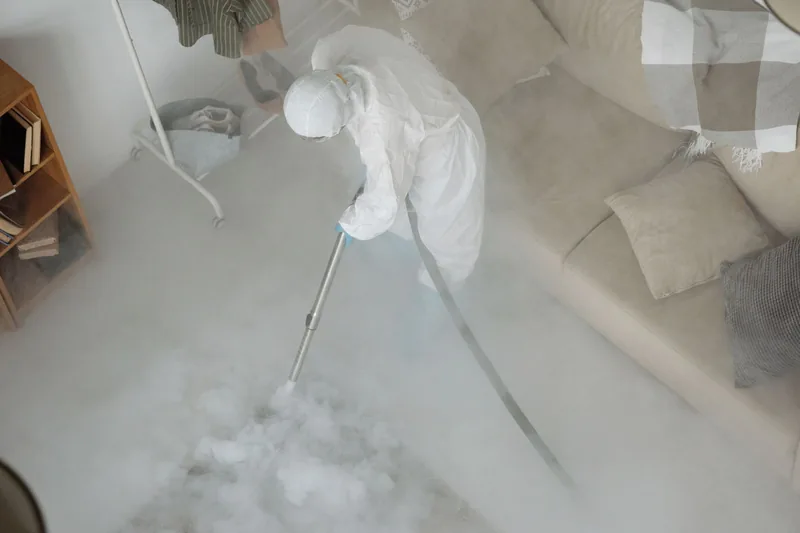
Full decontamination of rooms, surfaces and air after infectious or hazardous exposure.
See biohazard decontamination
Commercial and industrial sites receive biohazard cleanup arranged around operating needs and site access.
See commercial and industrial biohazard cleanup
Rental property biohazard cleanup covers hotels and Airbnb units as well as rentals.
See hotel, airbnb and rental biohazard cleanup
Biohazard cleanup treats cars, trucks, boats and RVs.
See vehicle biohazard cleanup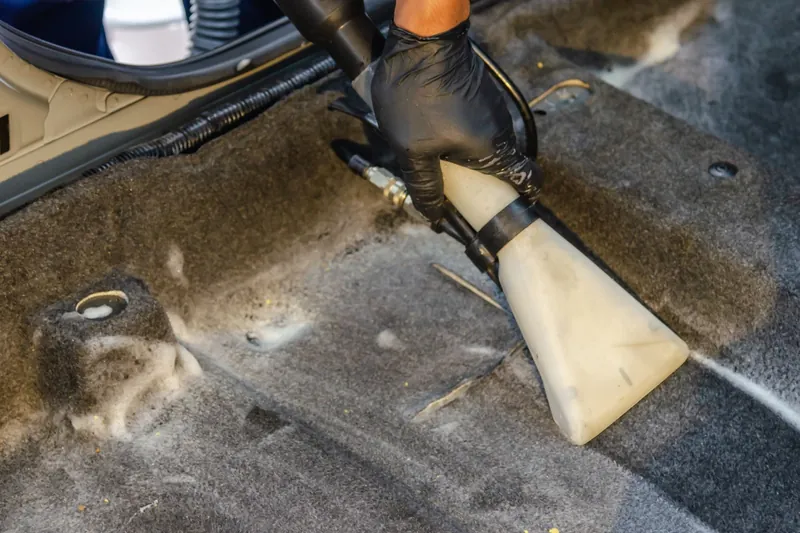
Biohazards are cleaned from carpets and upholstery, or affected materials are removed safely when needed.
See biohazard carpet and upholstery cleaningThe cited guide puts tear gas cleanup cost at $10,000 to $50,000 for commercial property, compared with $3,000 to $10,000 for a single-family home and $1,500 to $4,000 for a small apartment. The final scope varies with area size, air-system exposure, material types, elapsed time and the need for multiple cleaning rounds.
No household chemical blend can safely neutralize every tear gas formulation across every type of surface. Never blend cleaners together, and do not cover the floor with powders. Professional cleanup maps exposed surfaces, collects loose particles, uses wet cleaning on suitable materials, treats soft belongings and inspects the HVAC route. The space could require multiple rounds of cleaning.
Exit the affected area and get into fresh air. Keep children and pets out, do not touch a canister and follow emergency personnel instructions. Call 911 for severe breathing trouble or another medical emergency. If police control the property, wait for formal release before arranging tear gas cleanup or moving belongings.
Yes, particularly when the air system was running as the release occurred or afterward. The check needs to include filtration, return openings, air-supply vents and adjoining rooms. Treating the air by itself is insufficient. You still need source removal or cleaning for contaminated materials and residue deposited on surfaces.
Coverage depends on your policy, what caused the release and any exclusions that apply. Report the incident to your insurance company. Ask about temporary housing, air-system work, personal property, affected building materials and cleaning the chemical residue. Your insurance company may need the police release, pictures, cleanup scope, receipts and disposal paperwork, so retain them.
An indoor discharge on a property differs from minor exposure in open air. Moving fabric items and using ordinary brooms or vacuums can spread particles during DIY work. Indoor cleanup can involve ceilings, walls, contents and the air system, plus materials that cannot be washed. Before work begins, professional evaluation defines your affected area and lays out the cleaning process.
Discreet, respectful tear gas and pepper spray cleanup, 24 hours a day, with crews in unmarked vehicles.